From Frustration to Breakthrough: How Staying Calm Turned a Potential Disaster into a Major Win
Yesterday, when we published our post on why handler composure is everything during a retriever meltdown, Danny Farmer’s recent podcast comments on the topic were fresh in my mind. He emphasized that when a dog is under pressure and starting to unravel, the handler’s emotional state can make or break the outcome. His words hit home because they reminded me of a training day last summer with Apollo that perfectly illustrated this principle.
We were training with a solid group—several steps ahead of where Apollo was in his blind-running progression at the time. Pushing boundaries is how we learn, so I jumped in. The group had a few live flyers left at the end of the session, and they decided to run a poison-bird setup with a flyer—the ultimate distraction with scent, motion, and visual pull. I knew it was ambitious for Apollo. He’d never faced anything like it in training. But that’s the point: growth happens outside the comfort zone.
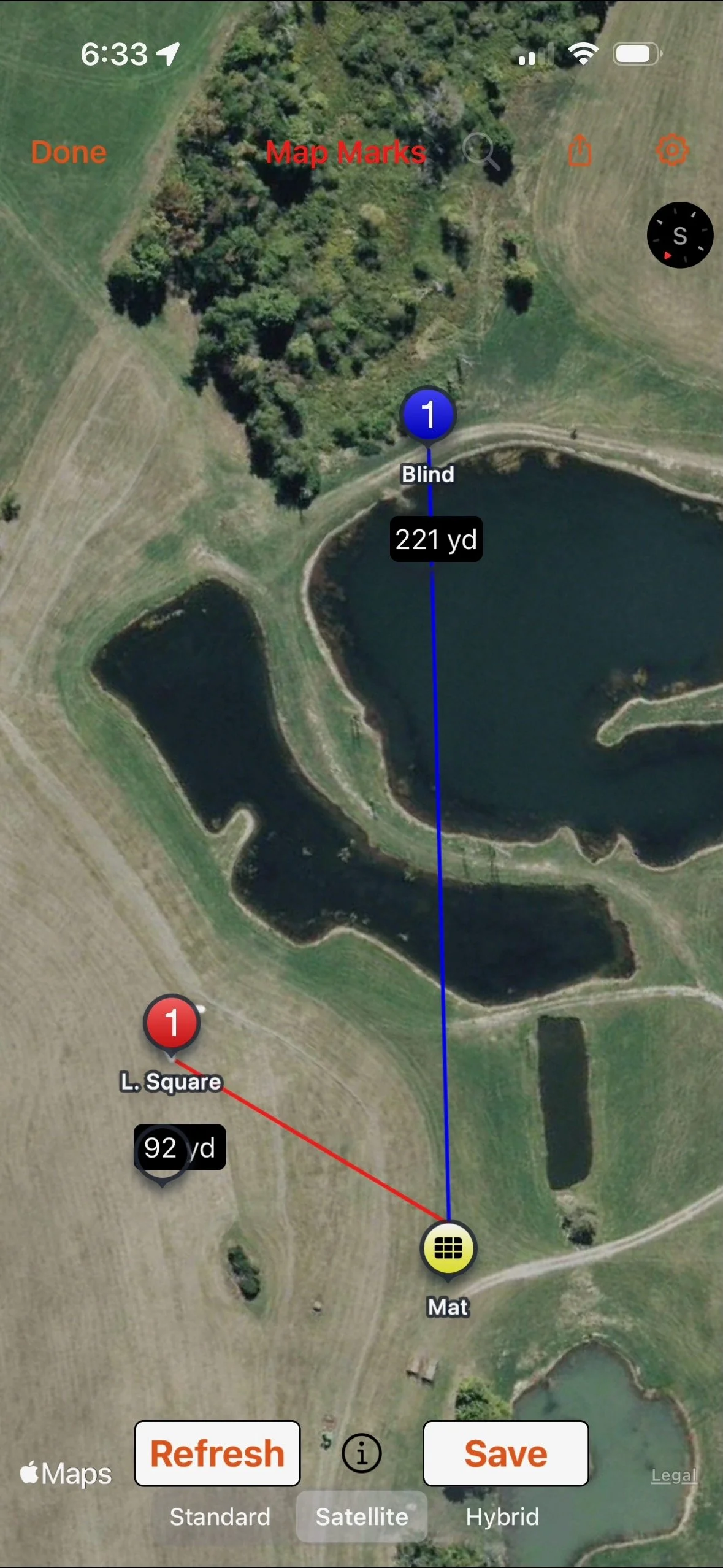
They shot the flyer. I “no’d” Apollo off it firmly and lined him for the blind. We navigated past the poison bird successfully (a big moment), but the real challenge was ahead. The line to the blind crossed two pieces of water. The first was manageable; the second looked like an ocean to a young dog who wasn’t fully water-confident or line-trained for that distance under pressure. The flyer scent was still drifting, the wind was cross, and Apollo started to break down—slowing, stopping, looking back, losing drive.
Frustration crept in fast. My instinct was attrition: walk out, shorten the distance, push with repeated casts to force momentum. It backfired. The more I pressed, the more he stalled. I could feel my tension rising—tight grip on the whistle, quicker breathing, sharper commands.
A friend at the flyer station watched the whole thing. He saw the visible frustration in my posture and approach. As I got closer to Apollo, he called out calmly but directly:
“Ryan, calm down and work with him. Just get the dog there.”
Those words snapped me out of it. In that instant, I realized I wasn’t mad at Apollo—I was mad at myself. I’d put him in a setup well beyond his preparation, and my rising frustration was only adding confusion and pressure. My emotional state was making the problem worse.
I took a deep breath. Shoulders relaxed. Voice softened. Mindset shifted from “force this” to “help him succeed.” We backed up mentally: one clear, simple cast at a time. I moved with purpose but without urgency. Quiet praise for every small step forward. When he hesitated, I gave him time to process instead of pushing harder. Slowly, cast by cast, Apollo regained momentum. He swam the “ocean,” hunted the far side, and came up with the bird.
What could have been a blown blind, a confidence hit, or a step backward turned into one of the biggest breakthroughs we had last year. A blind far outside Apollo’s capabilities at the time—and mine as a handler in that moment—got completed because I chose calm over reaction.
Tying It Back to Staying Calm
This is exactly why we wrote yesterday’s post. Danny Farmer’s point about composure under pressure is spot-on: when the dog is melting down, your calm (or lack of it) becomes the deciding factor. Frustration signals conflict and danger; composure signals safety and partnership. The second I dialed back my own arousal last summer, Apollo could re-engage. He could think. He could succeed.
It’s a reminder that training isn’t just about the dog’s skills—it’s about the handler’s mindset. When things start to unravel, the most powerful tool isn’t more pressure or attrition; it’s the ability to stay steady, simplify, and lead with clarity.
Key Takeaways from That Day
Catch frustration early. Notice the physical signs—tense body, quickened commands—and interrupt them before they escalate.
Simplify ruthlessly. When meltdown signs appear, shorten the problem dramatically. One achievable cast beats five confusing ones.
Use your support network. A friend’s calm outside perspective can be the reset you need. Be open to it, and offer it to others.
Protect confidence above all. Every “hard” session is data. Adjust future setups so successes build on successes, not on forced recoveries.
We’re still building on lessons like that one from last summer. Apollo and Echo continue to teach me that calm isn’t weakness—it’s the foundation of real partnership in the field.
If you’ve had a moment where staying composed turned a tough training day around, share it in the comments. How do you reset yourself when frustration starts to build?
Thanks for being part of this journey.
Ryan Fisher
Owner and Team Development Officer
Flying High Retrievers
